BVG: Berlin has its first electric Bus Line

Berlins public transport provider BVG has just opened the first electric Bus line. Four electrical buses are now commuting between the two West-Berlin stations Zoo (Zoologischer Garten / Hertzallee) in Charlottenburg and Südkreuz on bus line 204.

On each end the buses can be recharged for a few minutes by parking above an induction loop. The main charging will however take place in the night, when the buses are not in operation.

The buses are not only emissions-free, but also very silent. This is why they have loudspeakers attached to the vehicle body, letting the waiting passengers know of their approach acoustically.

According to BVG regular average Berlin buses have an emission of CO2 of 1.300 gramms per bus per kilometer. Following this calculation BVG estimates some 260 tons of CO2 saved per year for the operation of the bus line 204, compared to regular diesel buses.

Further information in German on the website of BVG and at heise.de: “Erste Elektro-Linienbusse fahren durch Berlin

‘The Story of Berlin’ can stay at Ku’damm

Since 1999 the so called Ku’damm-Karree at Kurfürstendamm / Uhlandstrasse is hosting the exhibition The Story of Berlin. The exhibition is partly located in a former nuclear bomb shelter and is a popular destination and both Berlin visitors and Berliners.

Around 250.000 visitors come and see the exhibition per year – recently the 3.5 million mark was reached by a family from Potsdam.

Until recently the future of the The Story of Berlin was uncertain, because the previous investor first wanted to tear most the the mall-linke building down. The exhibition and the former nuclear bomb shelter would have been in the way. Now the Ku’damm-Karree was again sold – and the new owner wants to keep the exhibition. So maybe on your next visit to Berlin you can also go and see The Story of Berlin.

Berlin Weather: August-Autumn vs September-Summer

Currently Berlin Weather seems to behave a bit weird: it’s still August, but the temperatures are hardly climbing above the 20°C mark (which would be 68°F). And the trees actually seems to loose their leaves already. So is this still summer? Or is it already Autumn? Autumn in August? Please not. It’s not really cold – but it’s not warm either. It doesn’t feel like Summer at the moment.

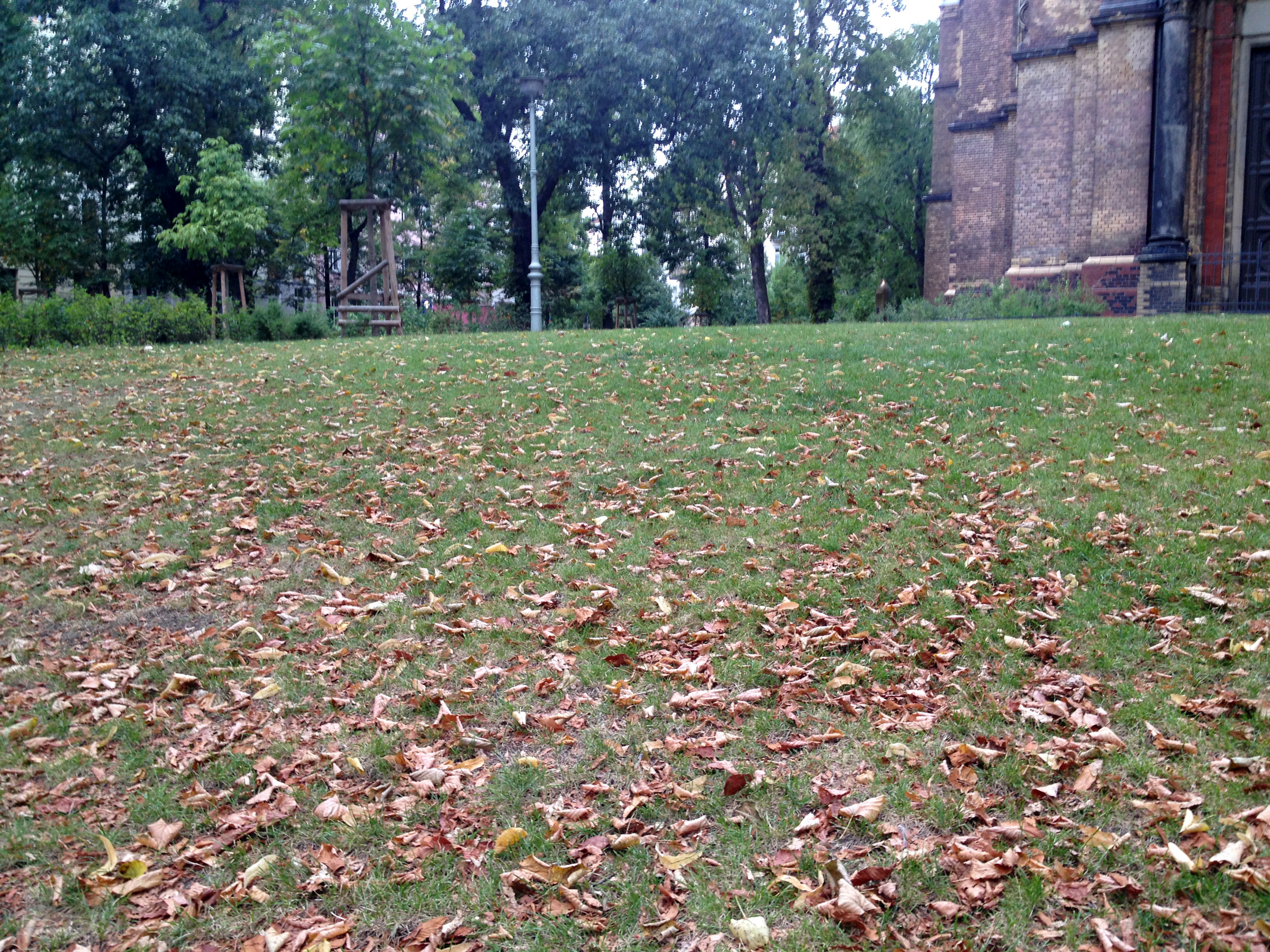
Berlin Weather: autumn leaves in August 2015

Autumn in August: leaves covering the lawn at Zionskirchplatz – Photo: nuBerlin.com

Good news / not so good news: it’s not Autumn yet – and the leaves probably ‘just’ fell off the trees because the past months were just way to dry. And it seems that another ‘heat wave’ is just ahead of us: the weather report is promising whooping 33°C already this weekend, topped by 34°C on Monday. For the Fahrenheit aware folks: that would be some 91°F – 93°F on Sunday / Monday. And the sun is actually supposed to come out already this afternoon.

So far the forecast says this ‘heat wave’ will only stay for couple of days – next week temperatures will go down again towards the 20°C mark. But – you never know.

So – chances are, we have another Summer Weekend ahead of us – and all the summer activities should once again be possible. Whether you prefer hanging by a lake or grilling in the park – this weekend should be a good one for such activities. Time to leave the August-Autumn behind and hope for a September-Summer.

Top 17 Home Countries of Berlin Visitors

Roaming across Berlin City you may have noticed, that there are quite some tourists visiting Berlin in the summer. And you may have asked yourself “So where are all the tourists actually coming from?” Spoiler: the top 3 home countries are Germany, USA and the UK.

The Berlin office for statistics (Amt für Statistik Berlin-Brandenburg) actually knows quite well, where Berlin’s visitors are coming from. And recently they released a data report on the actual numbers of people that stayed at Berlin hotels and hostels in June.

I flipped through the numbers and decided to take only the data for countries with a five digit number of visitors. I also added the change compared to June 2014. What I find most interesting here is that tourist numbers for tourists coming from Germany and directly neighbors France, Denmark, Poland and The Netherlands are actually declining while the total average is up more than 4%.

So – here’s the Top 17 Home Countries for June 2015:

Origin: Number: Change:
Germany 672.380 -2.8%
United States of America USA 52.325 +21.9%
United Kingdom UK 50.159 +13.9%
Spain 28.658 +58.7%
Italy 23.340 +25.6%
Switzerland 21.841 +10.4%
Netherlands 20.188 -4.6%
France 16.992 -8.4%
Sweden 15.055 +14.5%
China and Hong Kong 13.932 +60%
Poland 13.253 -5.1%
Austria 13.198 +0.2%
Russia 12.860 +2.2%
Denmark 12.550 -5.1%
Israel 11.713 +13.1%
Australia and New Zealand 11.161 +5.6%
other countries 138.517
total 1.128.122 +4.3%

Data: CC BY Amt für Statistik Berlin-Brandenburg

And where are you from?
Please feel free to leave a comment…

Violence and Mugging at Berlin’s nightlife hotspot RAW

Last weekend was a bad weekend for Berlin’s bubbling nightlife and clubbing area known as the RAW area near Warschauer Brücke / Revaler Strasse in Berlin Friedrichshain. Two violent attacks made it to the headlines of Berlin’s news.

What had happened? First two dutch tourists were attacked and robbed – and only shortly after another night crawler was attacked and robbed violently in a quite similar manner.

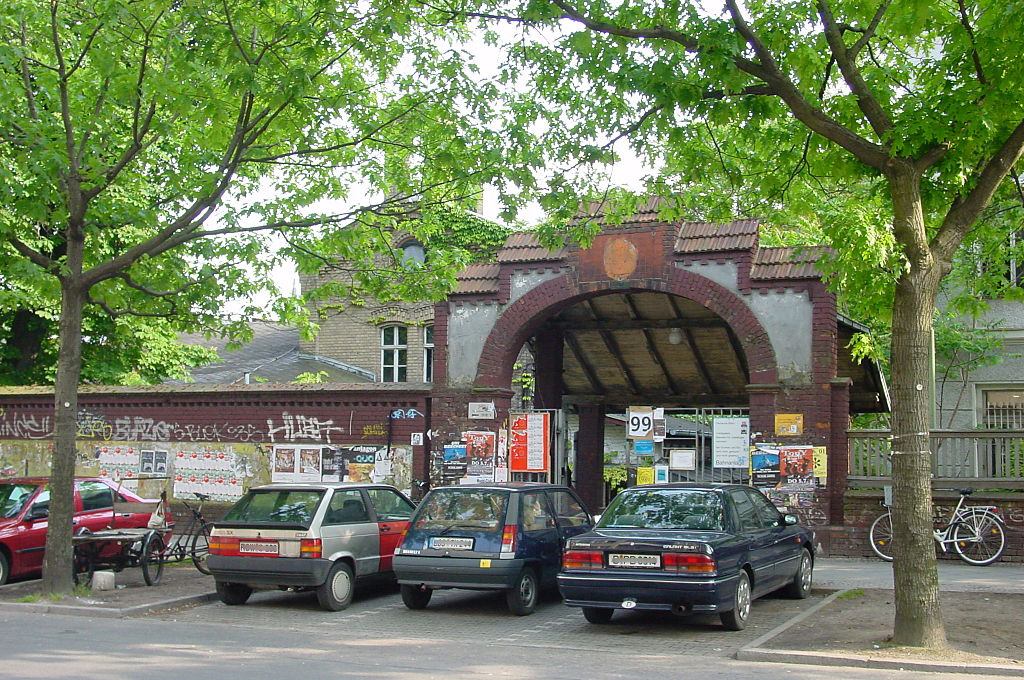
RAW-Area Berlin-Friedrichshain Entrance Revaler Str Tor1

RAW-Area Berlin-Friedrichshain, entrance at Revaler Strasse – Photo by Mikado59 (Own work) [CC BY-SA 3.0], via Wikimedia Commons

Both attacks followed a similar pattern: first a wallet was ‘almost’ stolen. On the victims fighting back the attackers called for reinforcements and things got out of hand.

The two dutch guests were beaten up badly by a group of around fifteen people. One of Dutchmen’s wallet got stolen and the group of attackers vanished. After the fight the two suffered “significant facial and head injuries” (Telegraaf) and had to be treated in hospital.

Also the other attack ended in hospital: after the victim fought back he was attacked with a knife by a partner of the original attacker. He had to be hospitalized with an almost fatal cut on his throat.

As far as I know in a first statement to the press Berlin police didn’t see any connection between the two cases. At least Berlin police didn’t see any signs of organized crime here. Maybe it’s then un-organized crime?! Anyways. In a facebook posting Berlin’s police now has released a list of tips for Berlin party crawlers. I’ll try to translate some of the details of that statement:

  • When you’re going out, leave valuable things you don’t necessarily need at home – such as jewellery, watches etc. Other valuable things like mobile phones and money should be kept close to the body. Money can be hidden in pockets, socks and shoes.
  • When you’re approached ‘strangely’ by somebody you don’t know ask your friend if they know him/her in a loud voice. Chances are that the person will refrain from … whatever he/she intended to do.
  • When you realize that somebody has just taken something from you, speak out loudly what just happened. Try to attract the attention of your friends or bystanders – a group is less vulnerable or ‘attackable’ than a single person. Try to get a door keeper’s or bar keeper’s attention.
  • Don’t try to hinder the mugger by force. No thing is as valuable as your health.
  • Do not provoke the muggers. most likely they are prepared for such a situation, while you are not. Do not try to use ‘things’ as a weapon – the attackers may have weapons with them.
  • Try to escape the situation as quick as possible. Run!
  • Contact the police as soon as possible. Only if the police knows of such incidents they can do something about it so that you can go partying safely.

see also:


Photo: Hanging out at Weinbergspark Berlin-Mitte

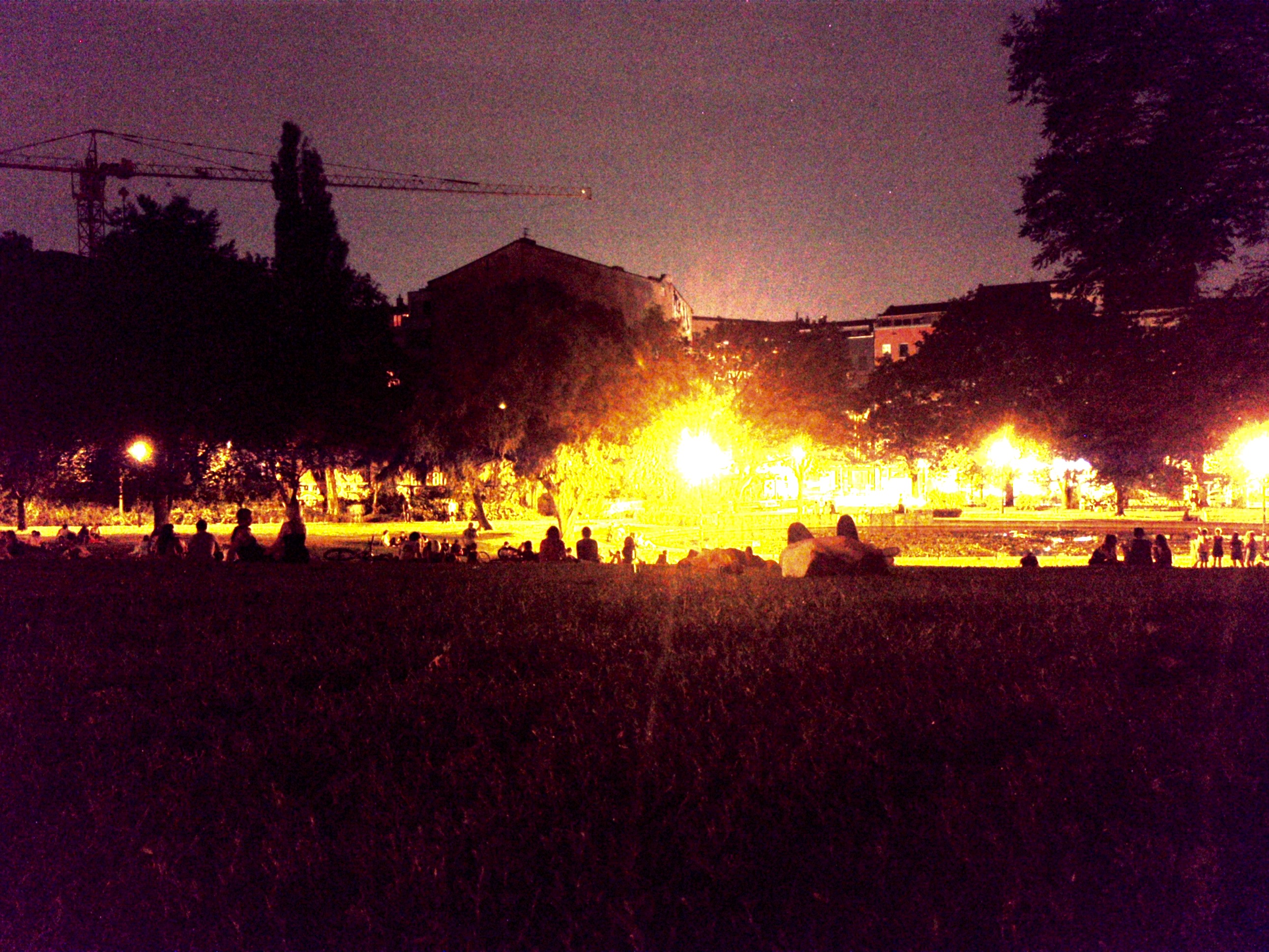
photo: Berlin Mitte Weinbergspark Party Chill-out

Last weekend – hanging out at Weinbergspark. The weather was friendly enough to hang out in the park, only a few drops of rain – but that was just refreshing.

And I took the opportunity to test my new long-exposure app – and I think the result is quite ok.

7 Historical Photos of the Berlin Wall 1961 – 1989

Today 54 years ago people of Berlin woke up in a divided city. In the early morning hours East German border police had secured the border line between the East and West Berlin sector and workers had begun zu build the actual wall.

I took the opportunity to update the Berlin Wall page of nuBerlin – and to look for some historical photos of the Berlin Wall. Here is a selection of what I found:

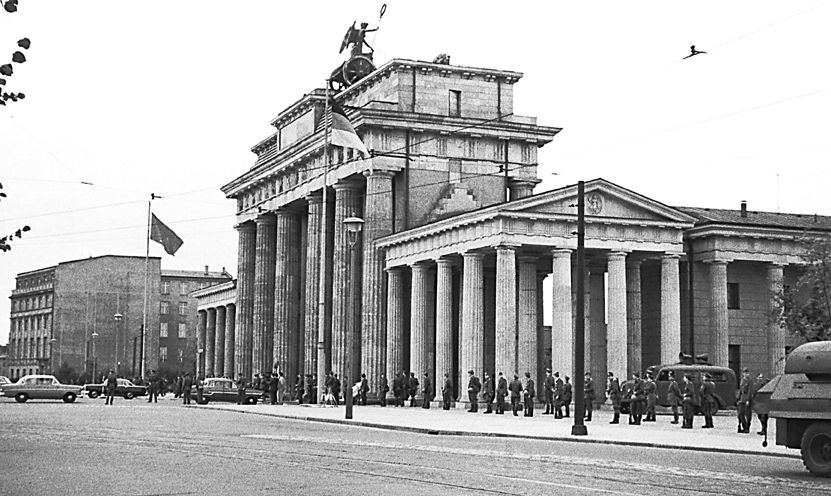
Berlin Wall was built 1961

border patrol securing Brandenburg Gate when the Berlin Wall was built on 13 August 1961 – photo by Steffen Rehm (Own work) [Public domain], via Wikimedia Commons

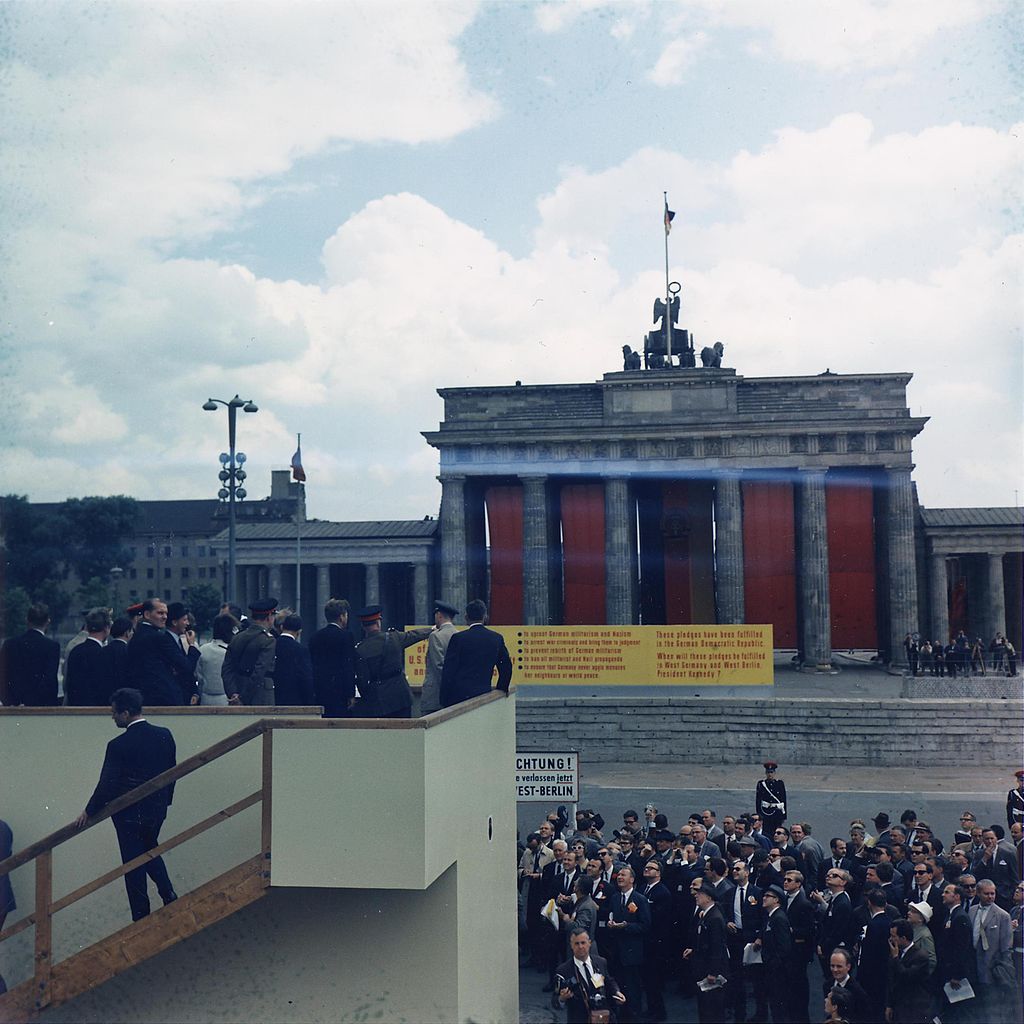
John F. Kennedy at the Berlin Wall / Wall Brandenburg Gate, 1963

John F. Kennedy at the Berlin Wall / Wall Brandenburg Gate, 1963 – Photo by Robert Knudsen, White House, in the John F. Kennedy Presidential Library and Museum, Boston. ([1]) [Public domain], via Wikimedia Commons

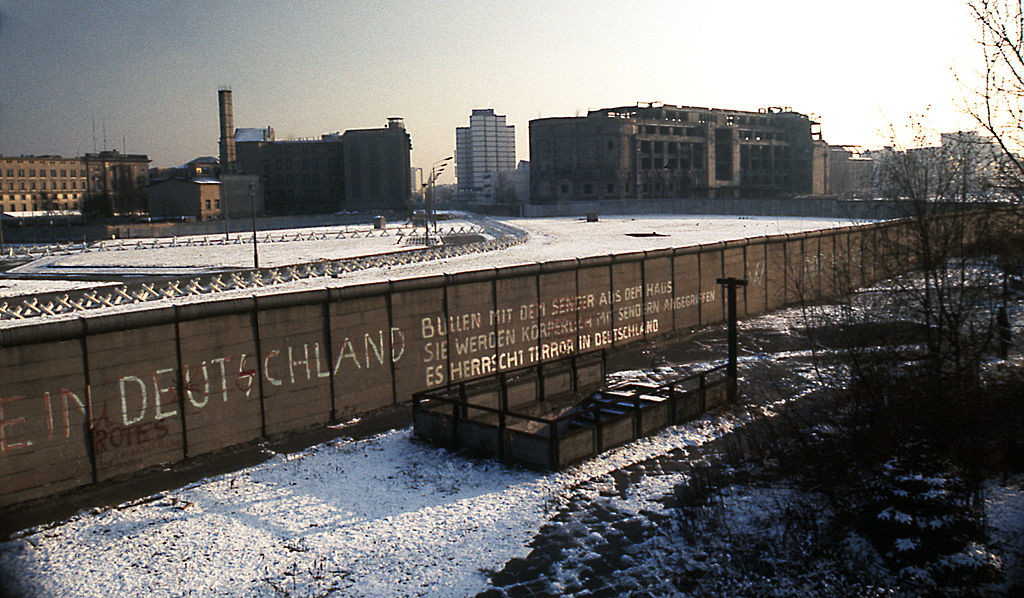
Berlin Wall Potsdamer Platz 1975 looking east

Berlin Wall at Potsdamer Platz, 1975 looking south-east towards Kreuzberg / Stresemannstrasse – Photo by Edward Valachovic [CC BY-SA 2.0], via Wikimedia Commons

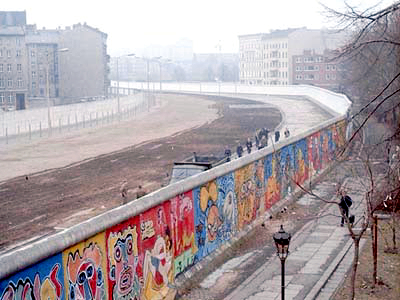
Berlin Wall Art: graffiti in Kreuzberg

Berlin Wall Art: Graffiti and paintings on the Berlin Wall in Berlin-Kreuzberg, Bethaniendamm – photo: Thiery Noir, 1986 – CC-BY-SA-3.0, via Wikimedia Commons

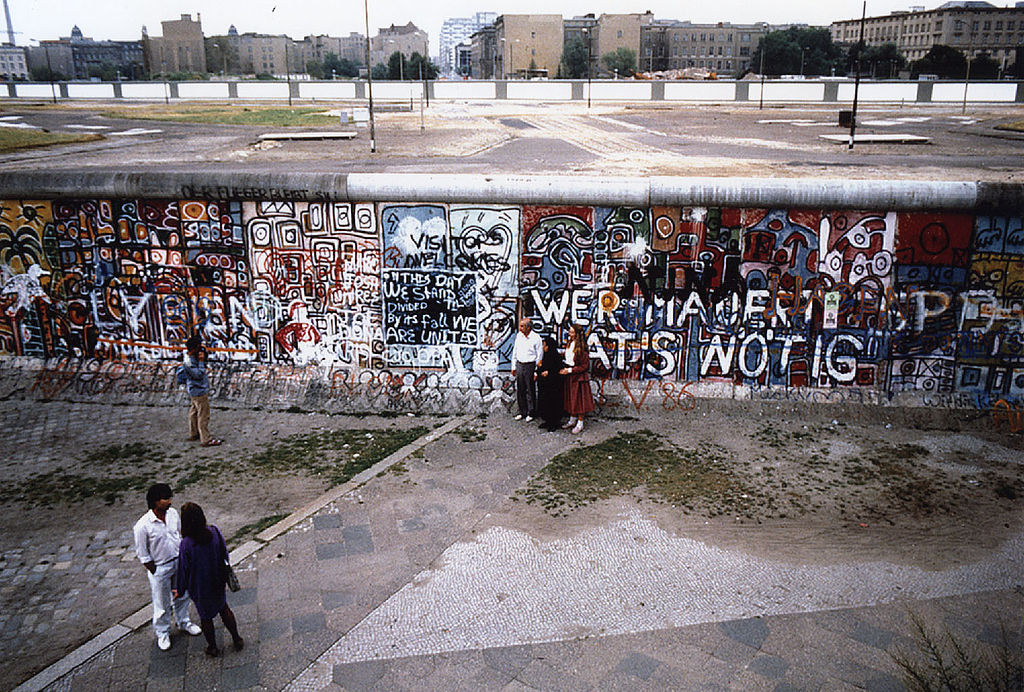
Berlin Wall Potsdamer Platz 1986

Berlin Wall at Potsdamer Platz, looking down Pariser Platz / Leipziger Strasse, 1986 – Photo by Nancy Wong [CC BY-SA 3.0], via Wikimedia Commons

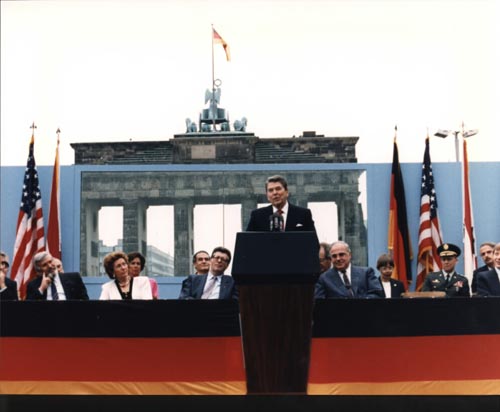
Ronald Reagan Berlin Wall Speach

Ronald Reagan giving a speach at the Brandenburg Gate / Berlin Wall, 1987 – Photo by White House Photographic Office (Ronald Reagan Presidential Library, ID C41244-9.) [Public domain], via Wikimedia Commons

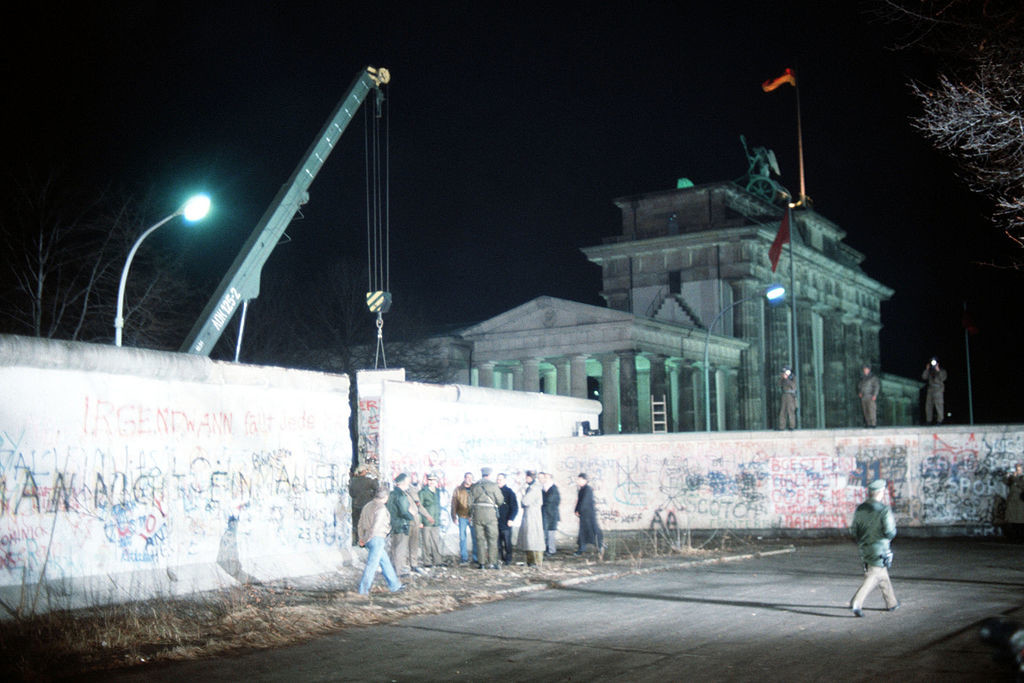
Fall of the Berlin Wall Berlin Brandenburg Gate

Fall of the Wall: A crane removes a part of the Berlin Wall near Brandenburg Gate, Berlin-Mitte – Photo by SSGT F. Lee Corkran CORKRAN [Public domain], via Wikimedia Commons

related pages:

BVG testing free WiFi in subway station

Berlin’s public transport provider BVG is currently testing free internet access in Wedding’s subway station Osloer Strasse (U8 / U9). Until the end of October everybody on that station can simply login into BVG’s hotspot “BVG Wi-Fi” and use their internet connection free of charge.

BVG is hoping to gather information about the practicability of such free WiFi hotspot in subway stations. How will the network react, when a train enters the station and literally hundreds of users login to the same hotspot? Will people even use the free service – or are people too suspicious about the network’s security? Will the subway station be more frequented / will more people be using the U-Bahn because of the free WiFi hotspot?

Of course BVG could also do a research on how other European cities and other public transport operators are handling free WiFi hotspots – probably they have already. Here’s just a quick look at three other European capitals:

  • London’s tube is offering free Wifi in about 150 stations in cooperation with other major partners. So you have to be a (registered) of one of those partners to access one of the hotspots.
  • Finland’s capital Helsinki basically offers free all across the city: “The city of Helsinki offers a free WLAN-service for residents and travelers alike. No passwords or registration required. Just look for “Helsinki City Open WLAN” from the available networks.” (visithelsinki.fi) As far as I know WLAN is also accessible in various buses, trams and at tram- and bus stops. And it’s fast.
  • Also Estonia’s capital Tallin offers free internet access to residents and visitors – and has been offering for about ten years now: “Tallinn city provides free wifi to its citizens and visitors in 30 different hotspots around the city (not including city libraries and schools). It is free to use and has been so since it started in 2005.” (www.visitestonia.com)

My honest opinion: I would strongly suggest it’s about time that Berlin also offers free internet access to residents and visitors. The BVG-Test is a step in the right direction – but instead of testing free WiFi hotspots in just one station, BVG staff and the City Council should probably take a weekend trip to some other European capital and then finally start installing hotspots across the city.